Nature-Inspired Self-Care: Unlocking Herbal Skincare Benefits
- marywithfieldandfo
- Sep 22, 2025
- 5 min read
In a world filled with synthetic products and harsh chemicals, many people are turning back to nature for their skincare needs. Herbal skincare offers a gentle, effective way to care for your skin while also promoting overall well-being. This blog post will explore the benefits of herbal skincare, how to incorporate it into your self-care routine, and some popular herbs that can transform your skin.
Herbal skincare is not just a trend; it is a return to our roots. For centuries, people have used plants for their healing properties. Today, we can harness these natural benefits to nourish our skin and enhance our self-care rituals.
The Power of Nature in Skincare
Nature has provided us with a treasure trove of ingredients that can benefit our skin. Unlike synthetic products, herbal remedies often contain fewer irritants and are more compatible with our bodies. Here are some key benefits of using herbal skincare:
Gentle on the Skin: Herbal ingredients are often less irritating than synthetic chemicals. They can soothe sensitive skin and reduce inflammation.
Rich in Nutrients: Many herbs are packed with vitamins, minerals, and antioxidants. These nutrients can help repair and rejuvenate the skin.
Eco-Friendly: Using natural ingredients is better for the environment. Many herbal products are biodegradable and come from sustainable sources.
Holistic Approach: Herbal skincare often considers the whole person, not just the skin. This approach can lead to improved mental and emotional well-being.
Incorporating herbal skincare into your routine can be a simple yet powerful way to enhance your self-care practices.
Popular Herbs for Skincare
There are countless herbs that can benefit your skin. Here are a few popular options to consider:
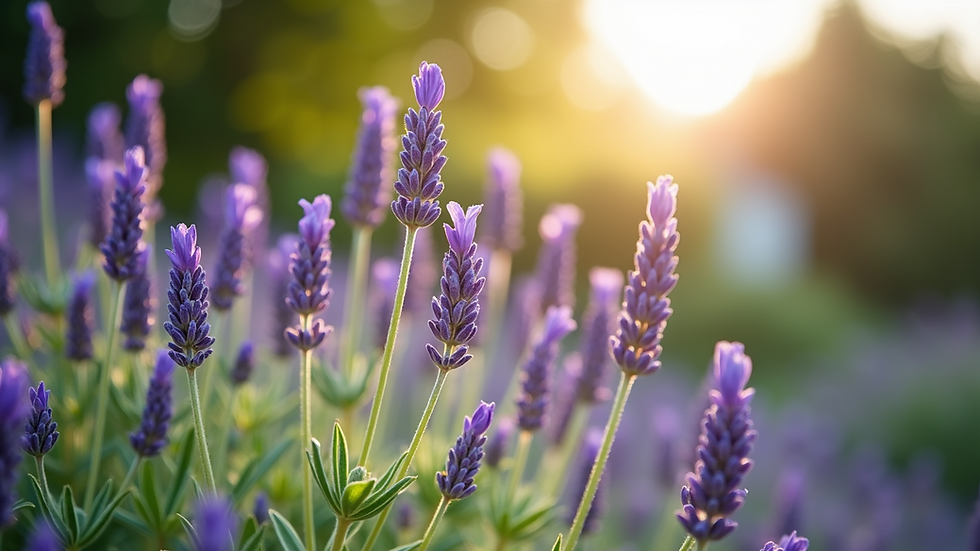
1. Lavender
Lavender is well-known for its calming properties. It can help reduce stress and promote relaxation. When used in skincare, lavender can soothe irritated skin and reduce redness.
How to Use: Add a few drops of lavender essential oil to your moisturizer or create a calming lavender-infused oil for a relaxing massage.
2. Chamomile
Chamomile is another herb famous for its soothing effects. It can help calm inflamed skin and is often used in products for sensitive skin.
How to Use: Brew chamomile tea and use it as a toner. You can also find chamomile-infused creams for added benefits.
3. Aloe Vera
Aloe vera is a powerhouse for hydration. It is known for its ability to soothe sunburns and hydrate dry skin.
How to Use: Apply fresh aloe vera gel directly to your skin or look for products that contain aloe as a primary ingredient.
4. Calendula
Calendula is often used for its healing properties. It can help with cuts, scrapes, and other skin irritations.
How to Use: Look for calendula-infused oils or creams to apply to affected areas for quick relief.
5. Tea Tree
Tea tree oil is famous for its antibacterial properties. It is often used to treat acne and other skin blemishes.
How to Use: Dilute tea tree oil with a carrier oil and apply it directly to blemishes or mix it into your daily moisturizer.
Creating Your Herbal Skincare Routine
Now that you know about some beneficial herbs, how can you incorporate them into your skincare routine? Here are some simple steps to get started:
Step 1: Assess Your Skin Type
Understanding your skin type is crucial. Is it oily, dry, sensitive, or a combination? This knowledge will help you choose the right herbs for your needs.
Step 2: Choose Your Herbs
Select herbs that align with your skin type and concerns. For example, if you have dry skin, consider using aloe vera and chamomile. If you struggle with acne, tea tree oil may be your best bet.
Step 3: Start Small
When trying new herbal products, start with small amounts. This way, you can see how your skin reacts before fully incorporating them into your routine.
Step 4: Mix and Match
Feel free to mix different herbs to create a personalized skincare blend. For example, you can combine lavender and chamomile for a calming face mask.
Step 5: Be Consistent
Consistency is key in skincare. Make herbal skincare a regular part of your self-care routine for the best results.
DIY Herbal Skincare Recipes
Creating your own herbal skincare products can be fun and rewarding. Here are a couple of simple recipes to try at home:
Calming Lavender Face Mask
Ingredients:
1 tablespoon of dried lavender flowers
2 tablespoons of plain yogurt
1 teaspoon of honey
Instructions:
Grind the dried lavender flowers into a fine powder.
Mix the lavender powder with yogurt and honey until smooth.
Apply the mask to your face and leave it on for 15 minutes.
Rinse with warm water and enjoy the calming effects.
Soothing Chamomile Toner
Ingredients:
1 cup of chamomile tea (cooled)
1 tablespoon of apple cider vinegar
Instructions:
Brew chamomile tea and let it cool.
Mix the cooled tea with apple cider vinegar.
Use a cotton ball to apply the toner to your face after cleansing.
The Importance of Mindfulness in Self-Care
Herbal skincare is not just about the products you use; it is also about the mindset you bring to your self-care routine. Practicing mindfulness can enhance your experience and help you connect with your body.
Tips for Mindful Self-Care
Create a Ritual: Set aside time for your skincare routine. Treat it as a sacred ritual rather than a chore.
Focus on Your Senses: Pay attention to the scents, textures, and sensations of the products you use. This can enhance your overall experience.
Breathe Deeply: Take a few deep breaths before starting your routine. This can help you relax and center yourself.
Express Gratitude: Take a moment to appreciate your body and the care you are giving it. Gratitude can enhance your self-care experience.
Embracing Nature for Holistic Wellness
Herbal skincare is just one aspect of a broader approach to wellness. Embracing nature in your self-care routine can lead to a more balanced and fulfilling life. Here are some additional ways to connect with nature:
Spend Time Outdoors: Go for a walk in the park, hike in the woods, or simply sit in your garden. Nature has a calming effect on the mind and body.
Grow Your Own Herbs: Consider starting a small herb garden. Growing your own herbs can deepen your connection to nature and provide fresh ingredients for your skincare.
Practice Mindful Eating: Incorporate whole, natural foods into your diet. Eating a balanced diet can improve your skin from the inside out.
Engage in Nature-Based Activities: Try activities like yoga in the park, forest bathing, or meditation outdoors. These practices can enhance your connection to nature and promote relaxation.
Final Thoughts on Herbal Skincare
Incorporating herbal skincare into your self-care routine can be a transformative experience. By using natural ingredients, you can nourish your skin while also promoting overall well-being. Remember to choose herbs that align with your skin type, create your own products, and practice mindfulness in your routine.
As you explore the world of herbal skincare, you may find that it not only benefits your skin but also enhances your connection to nature and yourself. Embrace the power of nature and unlock the potential of herbal skincare for a healthier, happier you.


Comments